Haematology LIMS Training for NHS Biomedical & Clinical Scientists: Complete FBC Validation Simulation
Reviewed by Desmond O., HCPC-registered Biomedical Scientist, and the PathologyLabTraining editorial team. Published , last updated
Every full blood count (FBC) result that leaves a haematology laboratory passes through a chain of validation decisions, from QC status checks to clinical correlation, delta checks, blood film assessment, and final authorisation. In NHS laboratories, these decisions happen inside the Laboratory Information Management System (LIMS), and competence in LIMS-based result validation is a core requirement for biomedical scientists at every band. Whether you are a Band 4 trainee learning to recognise analyser flags or a Band 7 section lead designing auto-validation rules, your ability to navigate the validation workflow directly affects patient safety and laboratory accreditation. PathologyLabTraining's Haematology LIMS Training Suite provides the only interactive, simulation-based platform for practising the complete FBC validation pipeline against UK standards.

The 9-Step FBC Validation Workflow
Real NHS haematology laboratories follow a structured validation sequence before any result is released to clinicians. Our training simulation mirrors this workflow exactly, giving you hands-on practice with each decision point. The 9-step validation checklist aligns with ISO 15189:2022 requirements and UKAS accreditation expectations.
Step 1: QC Status Review
Before examining any patient result, the competent biomedical scientist confirms that internal quality control (IQC) for the relevant analyser is in control. Our QC Status Panel displays Levey-Jennings charts for every FBC parameter, with real-time Westgard rule evaluation. You learn to identify shifts, trends, and rule violations, and to withhold results when QC has failed.
Step 2: Sample Quality Assessment
Sample integrity is the foundation of reliable results. The simulation presents pre-analytical variables including haemolysis, lipaemia, clotting, underfilling, delayed transport, and incorrect anticoagulant. You assess whether each sample meets acceptance criteria defined by your laboratory's standard operating procedures. Decisions include accepting the sample, requesting a recollection, or adding a clinical comment.
Step 3: Analyser Flag Interpretation
Modern haematology analysers generate a complex array of flags: suspect flags, definitive flags, morphology flags, and instrument-specific alerts. Our Analyser Flag Interpreter covers flags from major platforms including Sysmex XN-series, Beckman Coulter DxH, and Abbott Alinity hq. You learn which flags mandate blood film review, which require repeat analysis, and which can be overridden with clinical justification.
Step 4: Delta Check Evaluation
Delta checks compare current results against a patient's previous values to detect wrong blood in tube (WBIT) errors, sudden clinical deterioration, or analytical errors. Our UK Delta Check Engine implements published UK thresholds including the MCV stability rule, one of the most sensitive indicators of sample mismatch. You practise interpreting delta check failures, distinguishing genuine clinical change from potential WBIT, and escalating appropriately.
Step 5: Clinical Correlation
Results must be interpreted in clinical context. The simulation provides patient demographics, clinical history, current medication, and requesting clinician details. You learn to correlate FBC findings with the clinical picture, recognising patterns such as iron deficiency in young women, chemotherapy-induced pancytopenia, or infection-related neutrophilia. This step trains the critical thinking that separates competent validation from mechanical result release.
Step 6: Critical Value Assessment
When results fall outside critical (panic) value thresholds, immediate clinical notification is required. Our Critical Value Notification Simulation walks you through the complete 5-stage telephone notification workflow used in NHS laboratories. You practise identifying critical values against UK Pathology Harmony thresholds, selecting the correct notification pathway, documenting the conversation, and confirming receipt with read-back verification.
Step 7: Blood Film Trigger Assessment
Not every abnormal result requires a blood film review. The Blood Film Trigger Assessment module implements ISLH (International Society for Laboratory Haematology) consensus rules for blood film review. You learn the specific numerical thresholds and flag combinations that mandate film preparation, and you practise making film/no-film decisions under time pressure, exactly as you would during a busy morning run on the bench.
Step 8: Reflex Testing Decisions
Certain result patterns trigger additional investigations. The Reflex Testing Suggestions module presents scenarios where reticulocyte counts, haemoglobin electrophoresis, iron studies, B12/folate, or manual differential counts should be requested. You learn to recognise patterns that warrant reflex testing and to generate appropriate add-on requests through the LIMS.
Step 9: Final Authorisation
The final step integrates all preceding checks into an authorisation decision: release, withhold, add clinical comment, or escalate to a senior scientist or clinical haematologist. You practise making these decisions under realistic conditions, building the judgement required for independent validation at Band 5 and above.
Virtual Laboratory Simulation
The Haematology LIMS Training Suite includes a complete virtual laboratory environment that simulates a full working day in an NHS haematology department. This goes beyond individual result validation to cover the operational workflow that biomedical scientists manage daily.

Morning Startup Phase
Begin each simulated shift by reviewing overnight QC performance, checking analyser status, running start-up calibrations, and processing IQC materials. The Morning Startup module replicates the systematic checks that every laboratory performs before patient samples are analysed, training you in the discipline of pre-analytical verification.
Pre-Analytical Processing
Handle sample receipt, registration, centrifugation decisions, and sample routing. Learn to identify and manage pre-analytical errors that account for up to 70% of laboratory errors according to published literature.
Analytical Phase
Process FBC samples through virtual analysers, manage worklists, handle reruns, and troubleshoot common analytical issues including clot detection, short samples, and analyser error codes.
Post-Analytical Validation
Apply the full 9-step validation workflow to each result, manage pending lists, handle add-on requests, and authorise results for clinical release. This phase integrates all the individual training modules into a realistic workflow.
QC and Westgard Rules Training

Quality control is the backbone of reliable laboratory results, and Westgard rules are the standard method for evaluating QC performance in haematology. Our QC Status Panel provides dedicated training in:
Levey-Jennings Chart Interpretation
Interactive Levey-Jennings charts display IQC data across multiple analytes and control levels. You learn to visually identify patterns that indicate systematic error (shifts and trends) versus random error.
The 6 Westgard Rules
Our training covers all six classic Westgard rules used in NHS haematology laboratories:
- 1-2s Warning Rule: A single control measurement exceeding ±2 standard deviations, used as a warning, not a rejection
- 1-3s Rejection Rule: A single measurement exceeding ±3 SD, indicating random or systematic error requiring immediate investigation
- 2-2s Rule: Two consecutive measurements on the same side exceeding ±2 SD, suggesting systematic error
- R-4s Rule: One measurement exceeding +2 SD and the next exceeding -2 SD (or vice versa), indicating random error
- 4-1s Rule: Four consecutive measurements on the same side exceeding ±1 SD, indicating a developing shift
- 10x Rule: Ten consecutive measurements on the same side of the mean, confirming systematic bias
You practise applying these rules to realistic QC datasets and making appropriate corrective actions, from repeating controls to recalibrating analysers to escalating to senior staff.
EQA and NEQAS Integration
External quality assessment is a regulatory requirement. The training covers UK NEQAS (National External Quality Assessment Service) participation, interpretation of EQA reports, and responding to unsatisfactory performance. You learn how EQA results feed into the laboratory's quality management system and UKAS accreditation evidence.
Delta Check and WBIT Detection
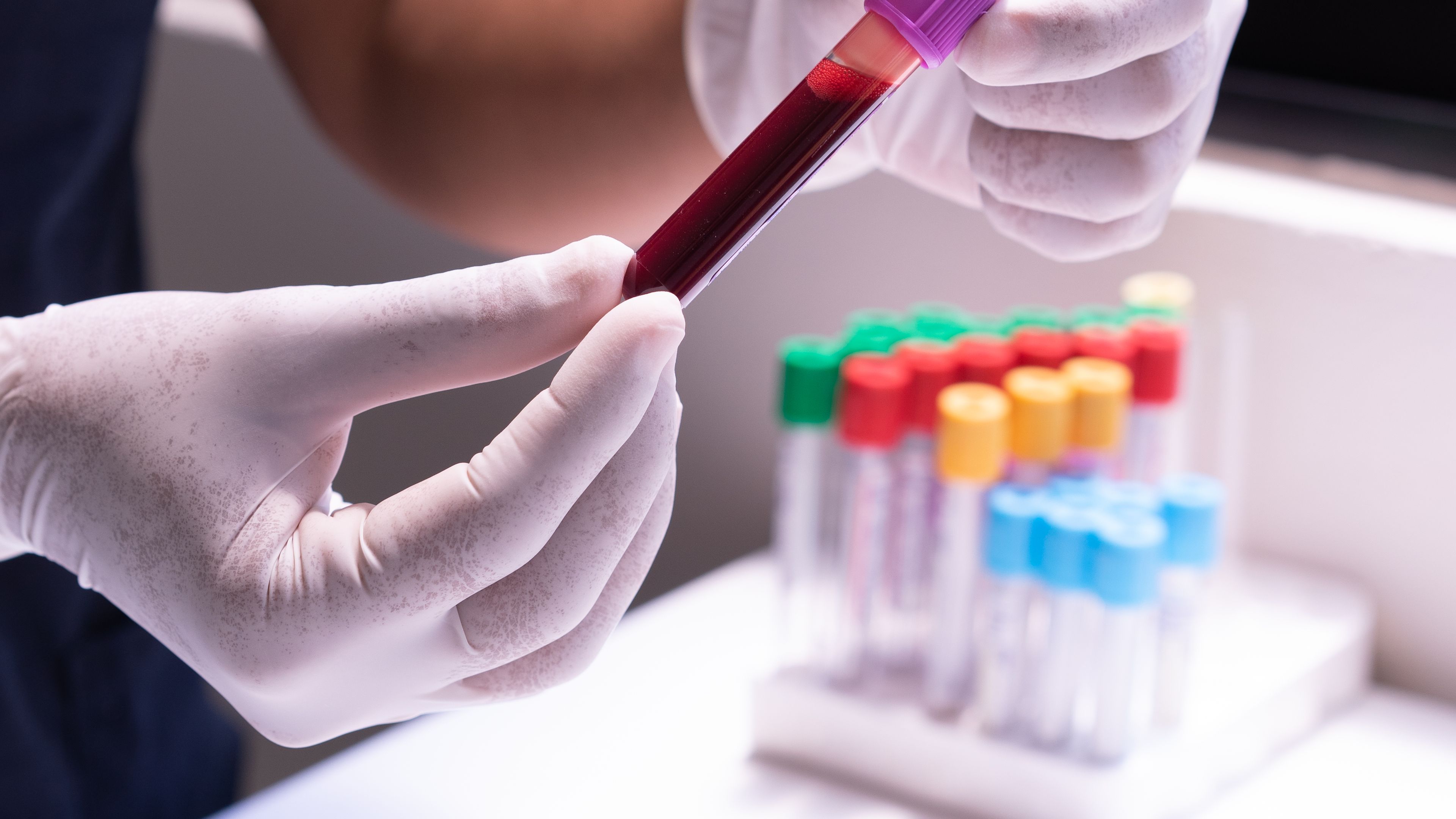
Wrong blood in tube (WBIT) errors represent one of the most dangerous pre-analytical errors in haematology, potentially leading to incorrect clinical decisions. Our UK Delta Check Engine provides focused training in detecting these errors.
UK Delta Check Thresholds
The engine implements published UK delta check thresholds for all FBC parameters. You learn the percentage and absolute change limits that trigger delta check alerts, and you practise evaluating whether changes represent genuine clinical variation or potential sample identity errors.
The MCV Stability Rule
MCV is one of the most stable haematological parameters in an individual patient, changing minimally over short periods in the absence of transfusion or specific clinical events. A sudden large change in MCV is a strong indicator of WBIT. Our training teaches you to use this principle as a key tool in WBIT detection, a skill that is increasingly tested in IBMS specialist portfolio assessments and Band 5/6 competency evaluations.
Escalation Pathways
When a delta check failure suggests possible WBIT, you must follow your laboratory's escalation procedure. The simulation guides you through the correct steps: withholding the result, contacting the ward for patient verification, requesting a repeat sample, and documenting the investigation. These are the exact actions expected during UKAS assessment visits and MHRA inspections.
Blood Film Trigger Assessment

Blood film microscopy remains an essential skill in haematology, but not every abnormal FBC requires a film. Knowing when to make a film is as important as knowing how to read one. Our Blood Film Trigger Assessment module is built on ISLH consensus guidelines.
ISLH Consensus Rules
The module implements the internationally recognised ISLH rules for blood film review, adapted for UK practice. These rules define specific thresholds for:
- Haemoglobin, WBC, and platelet counts outside defined limits
- Specific analyser flags (blasts, immature granulocytes, nucleated red blood cells, atypical lymphocytes)
- First-time patients without previous results
- Clinician-requested film review
- Delta check failures meeting film criteria
You practise applying these rules rapidly across batches of results, developing the pattern recognition that experienced biomedical scientists use instinctively.
Film Review Priority
Not all blood films are equally urgent. The training teaches you to triage films by clinical urgency, prioritising suspected acute leukaemias, critically low counts, and clinically urgent requests over routine morphology reviews.
Auto-Validation Rules Engine
Modern haematology laboratories use auto-validation to release normal results without manual review, freeing biomedical scientists to focus on abnormal and complex cases. Our Auto-Validation Rules Engine trains you in the principles and criteria used to design and maintain auto-validation protocols.

The 6 Auto-Validation Criteria
Results must satisfy all six criteria to qualify for automatic release:
- QC Status: All relevant IQC must be within acceptable limits
- Reference Range: Results within age- and sex-specific reference ranges
- No Analyser Flags: No suspect or definitive flags present
- Delta Check Pass: No delta check alerts triggered
- No Critical Values: No parameters at critical thresholds
- Sample Integrity: No pre-analytical quality concerns recorded
You learn how these criteria interact, why each is necessary, and how laboratories validate their auto-validation rules during UKAS accreditation. Understanding auto-validation logic is increasingly important for Band 6 and 7 roles, where you may be responsible for designing and auditing these rule sets.
Audit and Governance
Auto-validation rules require regular audit to ensure they remain safe and effective. The training covers audit methodology, false release rate monitoring, and the documentation expected by UKAS assessors and ISO 15189:2022 requirements.
Critical Value Notification Simulation
Communicating critical results promptly and accurately can be life-saving. Our Critical Value Notification Simulation replicates the 5-stage telephone workflow used in NHS laboratories.
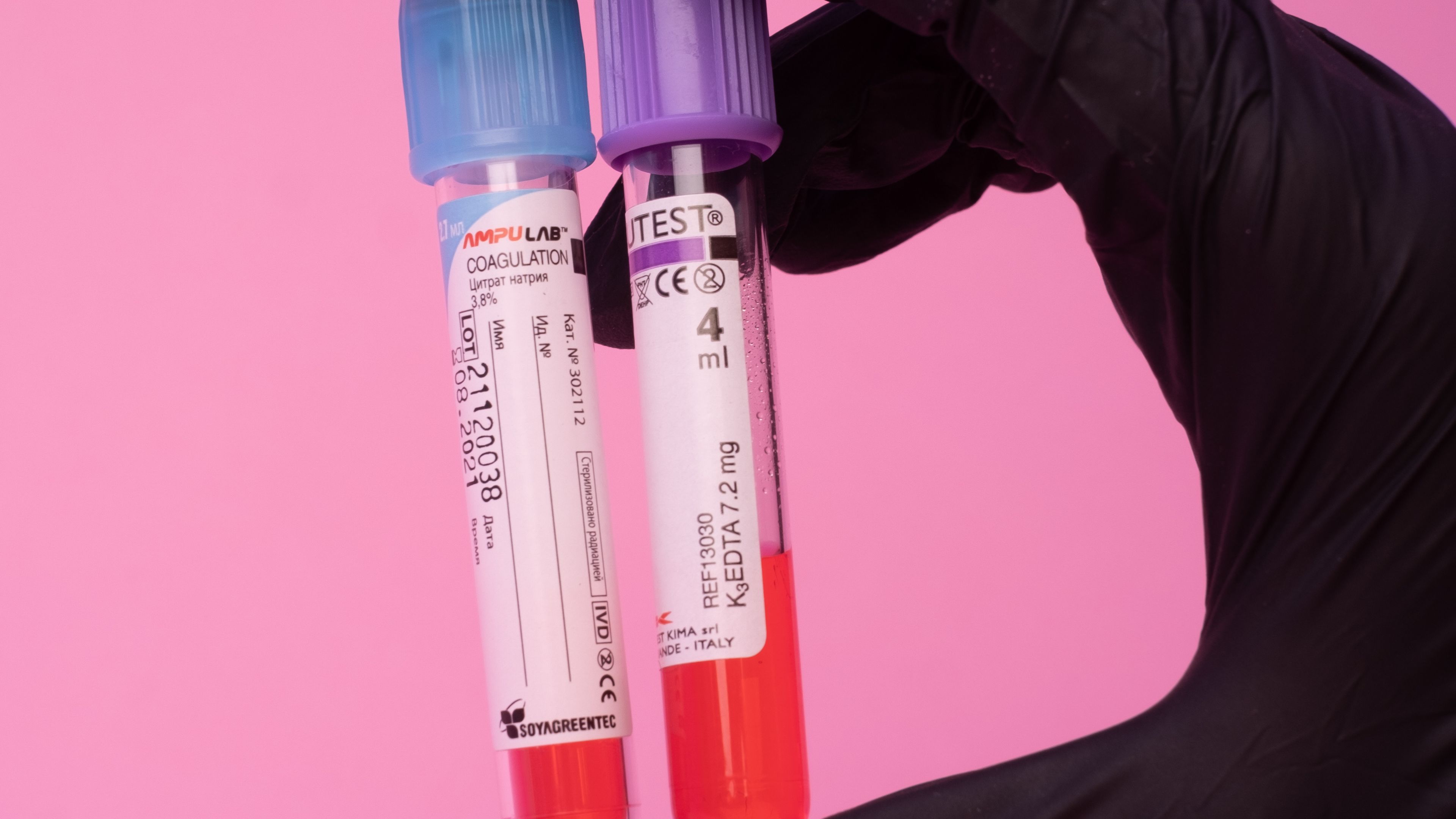
The 5-Stage Workflow
- Identification: Confirm the critical value against your laboratory's defined thresholds (aligned with UK Pathology Harmony recommendations)
- Preparation: Gather all relevant information, including patient identifiers, result value, reference range, previous results, and clinical context
- Contact: Reach the responsible clinician or designated nurse using the appropriate contact pathway
- Communication: Deliver the result clearly, using a structured format, and answer clinical queries about the finding
- Documentation: Record the notification in the LIMS, including who was contacted, their role, the time, and read-back confirmation
You practise this workflow across different scenarios: routine critical values, out-of-hours notifications, results for patients in different clinical areas, and situations where the responsible clinician cannot be reached immediately. Each scenario tests different aspects of the notification process and builds your confidence in handling these high-pressure communications.
Competency Tracking and IBMS Portfolio Evidence

Career progression in NHS biomedical science requires demonstrated competence at each band level. Our Competency Tracker maps directly to IBMS portfolio requirements and NHS laboratory competency frameworks.
Band 4: Trainee Biomedical Scientist
Core competencies covered:
- Sample receipt and registration
- Basic QC procedures and Levey-Jennings chart recording
- Sample preparation and loading
- Recognising failed QC and escalating appropriately
- Basic understanding of the validation workflow
Band 5: Registered Biomedical Scientist
Validation competencies for independent practice:
- Independent result validation using the 9-step checklist
- Delta check interpretation and WBIT recognition
- Analyser flag assessment and blood film trigger decisions
- Critical value identification and notification
- Reflex testing recognition
Band 6: Specialist Biomedical Scientist
Advanced competencies:
- Auto-validation rule design and audit
- QC trend analysis and troubleshooting
- Method evaluation and verification
- Training and supervision of junior staff
- Quality incident investigation
Band 7: Section Lead / Advanced Practitioner
Leadership and governance competencies:
- Auto-validation protocol governance
- EQA performance review and corrective action
- ISO 15189:2022 internal audit participation
- UKAS accreditation preparation
- Competency assessment framework management
IBMS Specialist Portfolio Evidence
Each training module generates evidence that can support IBMS specialist portfolio submissions in haematology. Simulation scores, reflective logs, and competency sign-offs map to specific IBMS learning outcomes. Document your training sessions as evidence of continuing professional development and specialist knowledge acquisition.
Quality Governance and ISO 15189:2022 Compliance
Haematology laboratories in the UK operate under ISO 15189:2022 accreditation, assessed by UKAS. Our Quality Governance Module covers the governance framework that underpins every aspect of result validation.
ISO 15189:2022 Requirements
The training addresses specific ISO 15189:2022 clauses relevant to FBC validation:
- Clause 7.3: Examination processes, covering the entire analytical and validation pipeline
- Clause 7.4: Post-examination processes, covering result review, reporting, and clinical notification
- Clause 7.7: Quality assurance of results, covering IQC and EQA requirements
- Clause 8.5: Continual improvement, using audit data to improve validation processes
You learn how each step of the validation workflow maps to specific accreditation requirements, building the understanding needed for UKAS assessments and internal audit participation.
Incident Management
When validation errors occur (a result released incorrectly, a critical value notification delayed, or a WBIT not detected), the laboratory must investigate using its quality management system. The training includes incident scenarios where you practise root cause analysis, corrective action planning, and CAPA (Corrective and Preventive Action) documentation.
Audit Preparation
UKAS accreditation visits and internal audits require evidence that validation processes are followed consistently. The training helps you understand what assessors look for and how to maintain the documentation trail that demonstrates compliance.
LIMS Downtime and Business Continuity
When the LIMS becomes unavailable (whether through planned maintenance, system failure, or cybersecurity incident), the laboratory must continue to provide results safely using downtime procedures. Our LIMS Downtime Procedures module covers this critical operational scenario.
Manual Backup Procedures
Practise processing urgent samples, recording results on paper worksheets, and maintaining traceability when electronic systems are unavailable. Learn the minimum dataset required for manual result reporting and the verification procedures needed when the LIMS is restored.
Priority Management
During downtime, the laboratory must triage workload effectively. You learn to prioritise emergency samples, critical care patients, and time-sensitive investigations while managing routine work appropriately.
System Recovery
When the LIMS comes back online, all manually processed results must be entered and verified. The training covers the reconciliation process, duplicate checking, and the quality checks required to ensure no results are lost or incorrectly entered during the recovery period.
Who This Training Is For
Band 4 Trainee Biomedical Scientists
Starting your career in haematology and building foundational LIMS skills. Use the training to develop competence in sample handling, QC procedures, and basic validation before progressing to independent bench work.
Band 5 Biomedical Scientists
Working towards or maintaining independent validation competence. The 9-step validation workflow provides structured practice for the skills assessed during your competency evaluations and IBMS registration portfolio.
Band 6 Specialist Biomedical Scientists
Expanding into auto-validation design, QC governance, and training supervision. Use the advanced modules to develop the specialist knowledge required for IBMS specialist portfolio submission and promotion applications.
Band 7 Section Leads and Advanced Practitioners
Responsible for validation policy, quality governance, and accreditation. Use the governance modules to prepare for UKAS assessments and to develop training materials for your team.
Clinical Scientists and STP Trainees
Scientist Training Programme trainees and qualified clinical scientists in haematology benefit from the clinical correlation and governance modules, building the bridge between laboratory science and clinical practice that defines the clinical scientist role.
CPD for All Grades
Every module contributes to your annual CPD requirements. Whether you need to demonstrate maintained competence for HCPC registration or build evidence for career progression, the training provides documented, assessable learning activities.
Advance Your Career with PathologyLabTraining
LIMS-based result validation is the core daily activity for haematology biomedical scientists at every band level, yet structured training opportunities outside the workplace are remarkably scarce. Whether you are a Band 4 trainee learning QC assessment or a Band 7 section lead responsible for auto-validation governance, practising the complete 9-step workflow in a realistic simulation environment builds competence that translates directly to bench performance and interview success.
With PathologyLabTraining Premium Access, you get:
- 4,000+ Expert Interview Questions across 12 specialties with full Band 2-8 coverage
- 300+ Virtual Laboratory Workstations with real NHS workflows across 12 lab suites
- 11 Complete LIMS Systems with result validation and authorisation simulation
- AI Interview Coach & Biomedical AI Assistant: 24/7 available with smart feedback
- Result Interpretation Training: 10 specialties, 4 practice modes
- Portfolio Assistant: HCPC & IBMS guidance for registration and CPD
- QC Simulator: Westgard rules, IQC/EQA practice
- Equipment Lab & Pre-Analytical Training: troubleshooting, sample quality, HIL indices
- Blood Film Interpretation: AI-powered morphology training
- Critical Values, Method Validation & Root Cause Analysis: SBAR protocols, ISO 15189:2022, CAPA scenarios
- Major Haemorrhage Protocol & NHSBT/BBTS Resources: Code Red and SHOT scenarios
- Workload Simulation & Performance Analytics: multi-tasking under pressure with progress insights
- 12 Comprehensive Specialty Guides covering haematology, biochemistry, microbiology, cellular pathology, blood transfusion, coagulation, immunology, virology, genomics, andrology, general, and quality management
Access the Haematology LIMS Training Suite and start practising FBC validation today
Related Articles
- Result Interpretation Training for Haematology
- NHS Band 5 Biomedical Scientist Interview Questions
- Band 6 Interview Questions for Haematology
PathologyLabTraining
Your Partner in Professional Success
Email us at: [email protected]
Follow us on social media:
- LinkedIn: PathologyLabTraining
- Instagram: @pathologylabtraining
- Facebook: Pathologylabtraining
Stay updated with the latest interview tips, resources, and biomedical science insights!
Quick Links:
© 2026 PathologyLabTraining.co.uk. All Rights Reserved.